

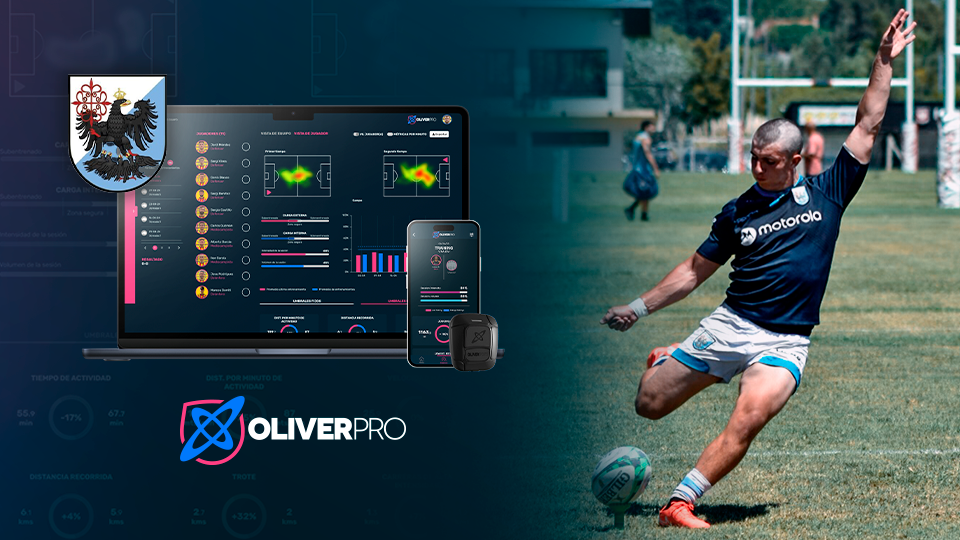
Modern rugby demands ever-increasing precision in physical planning. Constant contact, repeated explosive efforts, high neuromuscular load, and demanding competitive schedules force coaching staffs to make decisions based on objective data.
In this context, Club Ciudad de Buenos Aires Men's Rugby decided to incorporate monitoring technology to track player evolution and further professionalize their work structure.
The adoption of technological tools is no longer exclusive to elite professional performance; today, it is part of the sustained growth of clubs seeking to train better, compete better, and reduce risks.
Why does rugby need monitoring technology?
Unlike other sports where distance covered is the primary indicator, in rugby, a large part of the effort is "hidden" in short, high-intensity actions:
- Explosive accelerations
- Sharp decelerations
- Changes of direction
- Repeated sprints
- High-load intermittent efforts
Furthermore, constant physical contact creates accumulated fatigue that is not always reflected by total distance alone.
Therefore, accurately measuring external load becomes essential for:
- Controlling training volume and intensity
- Managing demanding match weeks
- Individualizing load based on position
- Preventing overuse injuries
- Optimizing competitive microcycles
Technology allows us to transform sensations into concrete data.
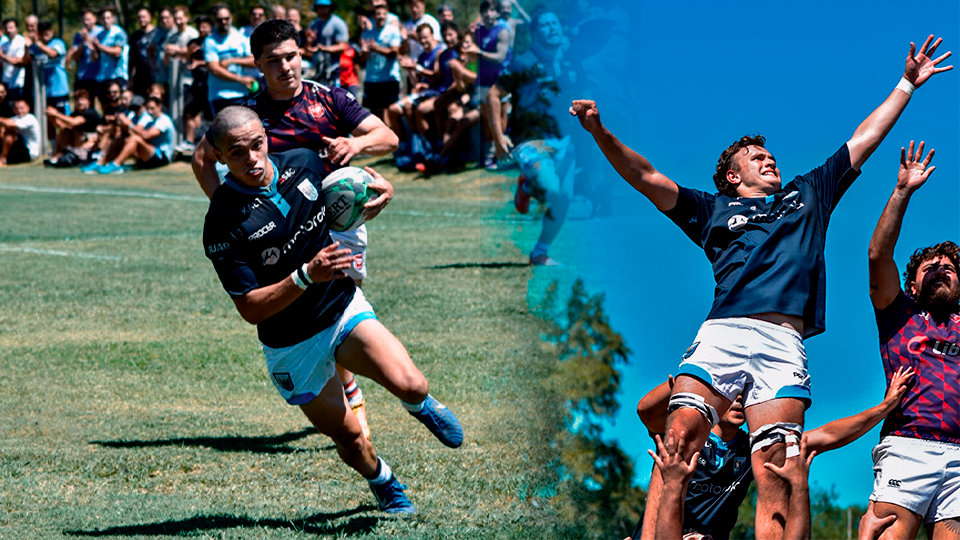
Club Ciudad de Buenos Aires has been using OLIVER PRO since late 2025.
General benefits of monitoring technology in rugby teams
The incorporation of GPS systems and analytics platforms provides multiple structural advantages:
1. Objective-based planning: Coaches can design sessions knowing exactly how much load each player has accumulated in previous days.
2. Real individualization: Not all players have the same physical profile. Forwards and backs have different demands, and technology allows training stimuli to be adapted according to role and position.
3. Injury prevention: Continuous load monitoring makes it easier to detect sharp spikes or excessive accumulation before discomfort or pain appears.
4. Historical tracking: Having accumulated records allows for the evaluation of physical evolution, period-to-period comparisons, and long-term development.
Specific application at Club Ciudad de Buenos Aires Men's Rugby
In the case of Club Ciudad de Buenos Aires Men's Rugby, the technology is integrated into the staff's daily routine, supporting both training sessions and matches.
Monitoring enables:
- Analyzing the real intensity of training sessions
- Monitoring high-demand repeated efforts
- Evaluating critical game accelerations and decelerations
- Comparing workloads between competitive weeks
- Adjusting microcycles based on the schedule
In a sport where accumulated fatigue can directly impact performance and injury risk, having accurate information makes a tangible difference.
Furthermore, access to structured data improves communication within the coaching staff, aligning decisions between strength and conditioning coaches and head coaches.
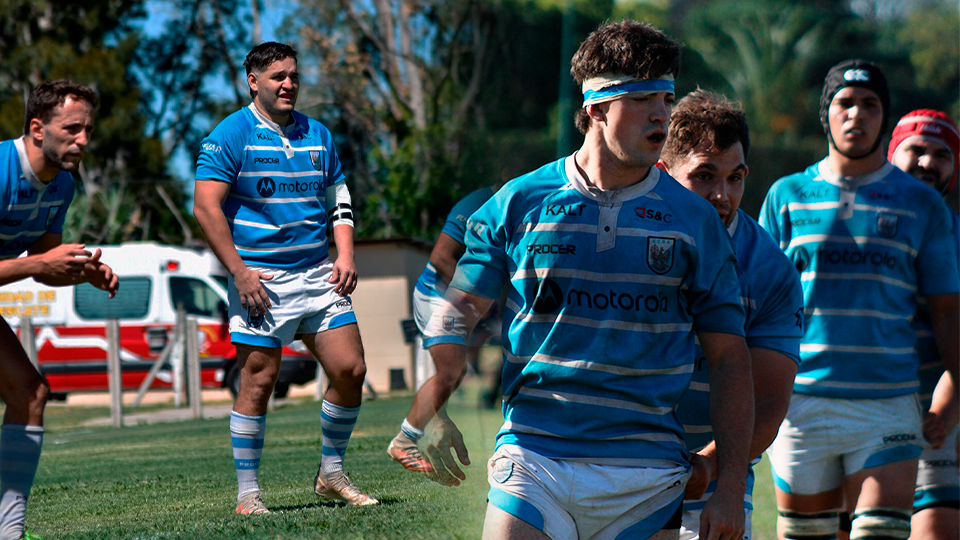
Modern Rugby: Measuring more to train better.
Technology at the service of the staff (and not the other way around)
A key point is that technology does not replace the experience of the coach or the strength and conditioning (S&C) specialist. It functions as a support tool that confirms perceptions, detects patterns, and helps justify decisions.
In today’s rugby, where margins are increasingly slim, working with objective information allows for reduced uncertainty and optimized resources.
The future of technology in Rugby
The case of Club Ciudad de Buenos Aires Men's Rugby reflects a clear trend: clubs committed to sustained growth are adopting tools that professionalize their structure.
Monitoring technology is no longer a luxury. It is an investment in performance, prevention, and planning.
Because in modern rugby, the difference lies not just in training more, but in training with greater precision.
Do you want to equip your Rugby team with OLIVER PRO?